

Pitch Speed Benchmarks
How Fast Should a Pitcher Throw at Age 10, 12, 14, or 16?
Honest velocity benchmarks for baseball and softball pitchers ages 8 through 18+. Average, competitive, and advanced ranges plus how to interpret them without putting your arm at risk.
Based on commonly cited coaching data. Ranges, not promises. Pitch Smart workload rules apply.
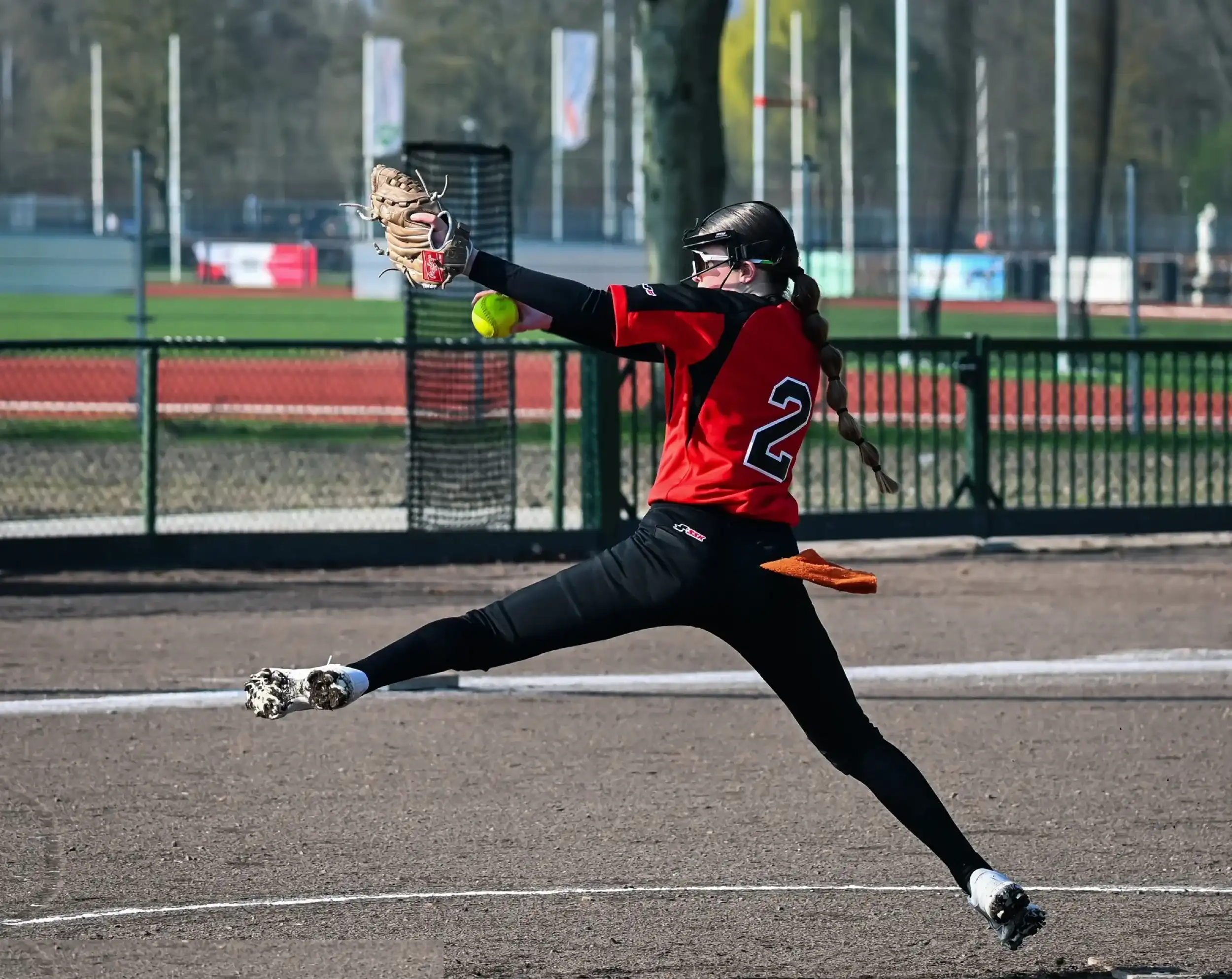
Benchmarks Are a Starting Point, Not a Verdict
These ranges reflect what coaches, trainers, and radar-gun data commonly observe across age groups. They are not targets your child must hit. Mechanics, arm health, and competitive context matter more than a single number.
Baseball Fastball Velocity by Age (mph)
Ranges reflect observed pitcher velocities across age groups. "Advanced" typically represents the top 10 to 15% of pitchers at that level.
Softball Fastball Velocity by Age (mph)
Fastpitch softball. Ranges reflect full windup delivery from the 40- to 43-foot rubber distance, adjusted by age division.
How to Read Your Pitcher's Number
If your pitcher is in the "Average" range, they are developing normally. Focus on mechanics and repeatability before chasing more velocity.
If they are in the "Competitive" range, they are likely one of the stronger arms in their league. Keep workload managed and prioritize arm care.
If they are in the "Advanced" range, they are throwing harder than most peers. This is when Pitch Smart rules matter most. Track pitch counts and rest days carefully.
If they are below "Average," that is still fine. Velocity gains happen in growth spurts, not on a linear schedule. A 12-year-old throwing 45 mph today may throw 60 mph by 13.
Velocity Without Pitch Smart Is a Road to Injury
Pitch count limits and required rest days exist because young arms get hurt when overused. Little League publishes division-specific limits. For ages 11 to 12 the limit is typically 85 pitches per game with 4 days rest after 66 or more pitches. Always check your division's current rules before any game.
Measuring Pitch Speed Accurately
Radar guns measure speed at the point of release, but different devices measure at different distances, so a reading from one radar gun is not always directly comparable to another.
Consumer devices like Pocket Radar read at the mound. Stadium radar guns read closer to the plate (lower mph). When comparing your pitcher's numbers to MLB velocity, add roughly 3 to 5 mph to stadium readings for a fair comparison.
Take multiple readings across a session, throw out the outliers, and use the average. A single reading is not a benchmark.
Safe Ways to Build Velocity
Mechanics First
A repeatable, efficient delivery transfers more energy from legs and core into the baseball. Most young pitchers leak velocity through poor mechanics, not weak arms.
Long Toss
Gradually increasing throwing distance 2 to 3 times per week builds arm strength and stretches capacity. Consult your coach or trainer for age-appropriate progression.
Strength and Mobility
Full-body strength training (age-appropriate) and mobility work protect the arm and help pitchers access power. Avoid isolated arm exercises at young ages.
Rest and Recovery
The most overlooked velocity tool. Pitchers who rest between outings throw harder and stay healthy. Shutting down for 2 to 4 months per year is recommended for youth pitchers.
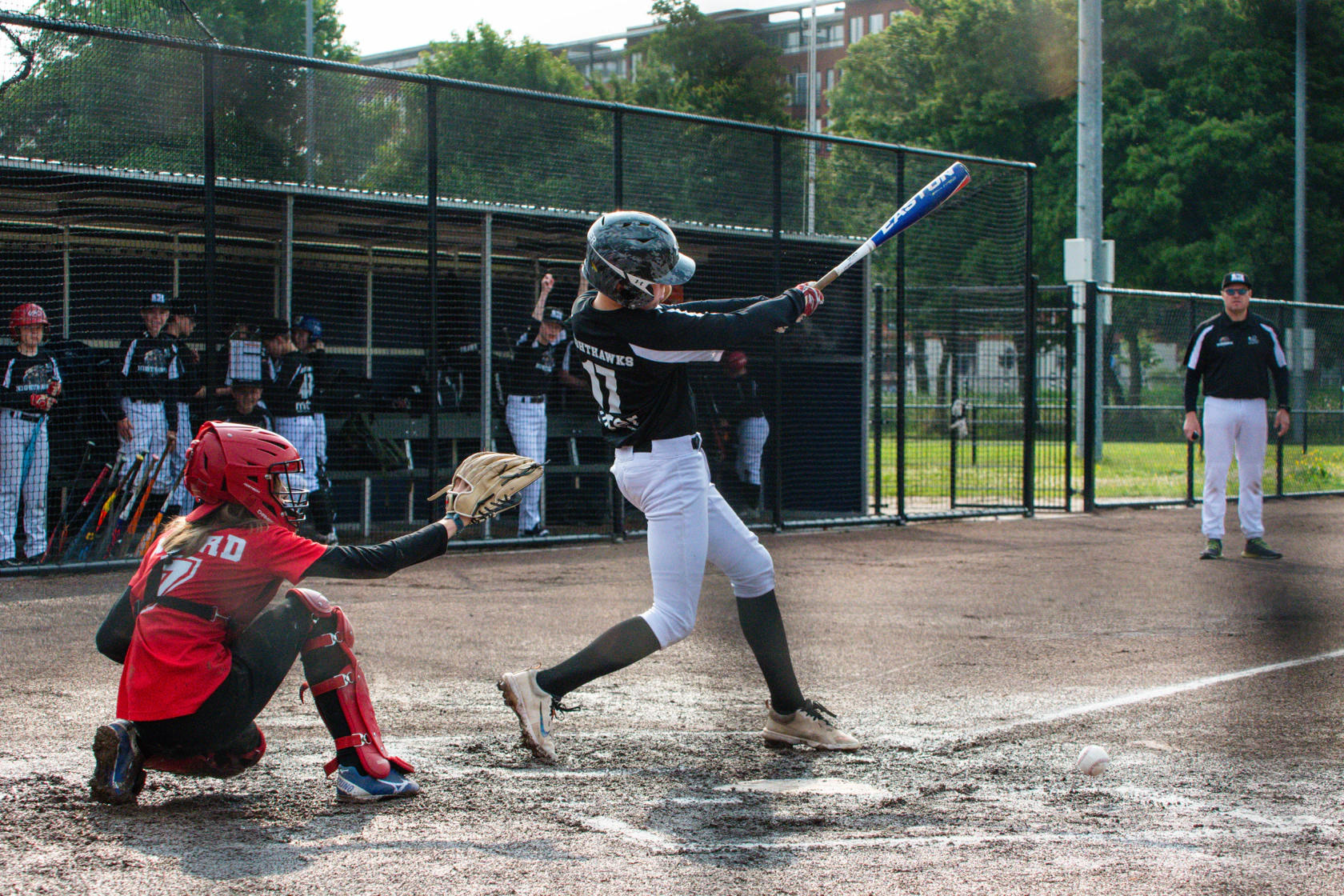
Stop Guessing, Start Tracking
Log your pitcher's velocity readings over time, compare to benchmarks, and spot trends. Free in CoachBall with no app download required.
Frequently Asked Questions
Roughly 40 to 50 mph. Competitive 10U pitchers typically throw 50 to 55 mph. Elite 10U pitchers may touch 60 mph, but these are outliers and usually early developers physically.
Roughly 50 to 60 mph. Competitive 12U pitchers throw 60 to 65 mph. Advanced 12U pitchers can reach 65 to 70 mph. Little League World Series pitchers often sit in the 65 to 72 mph range.
Roughly 60 to 70 mph. Competitive 14U pitchers throw 68 to 75 mph. Advanced 14U pitchers reach 75 to 80 mph. This is typically the age where velocity gaps widen rapidly.
Roughly 70 to 80 mph. Competitive 16U pitchers throw 78 to 85 mph. Advanced 16U pitchers reach 85 to 88 mph. Top showcase pitchers may touch 90+ mph.
There is no standard rate. Most pitchers gain 3 to 5 mph per year through ages 12 to 16, but gains happen in bursts tied to growth spurts and training. A flat year is normal and does not signal a problem.
Yes. 70 mph at 12 is in the top few percent of pitchers nationally. But "good" is relative. A 50 mph pitcher with excellent command often beats a 70 mph pitcher with poor control. Velocity is one input, not the whole picture.
Possible causes include growth spurts (temporarily), mechanical changes, fatigue, overuse, or insufficient recovery. Consult a qualified pitching coach before changing training load. Sometimes less throwing produces more velocity.
No. Pressure to increase velocity leads to overthrowing, mechanical breakdown, and injury. Focus on mechanics, arm care, and enjoyment of the game. Velocity comes from development, not from effort. Pushing too hard is how kids end up with Tommy John surgery at 15.
Velocity Data Is Most Useful When It's Tracked Consistently
CoachBall logs pitch speed per session, builds a trend line, and keeps workload within Pitch Smart rules. Free to start, no credit card required.